
Dialysis Centre in Shahdara, East Delhi — Hemodialysis & Renal Care
Living with kidney disease isn’t easy — but getting the right dialysis care shouldn’t add to your worries. At East Delhi Medical Centre, our dialysis unit ensures that every session is safe, comfortable, and carefully monitored by experienced nephrologists.
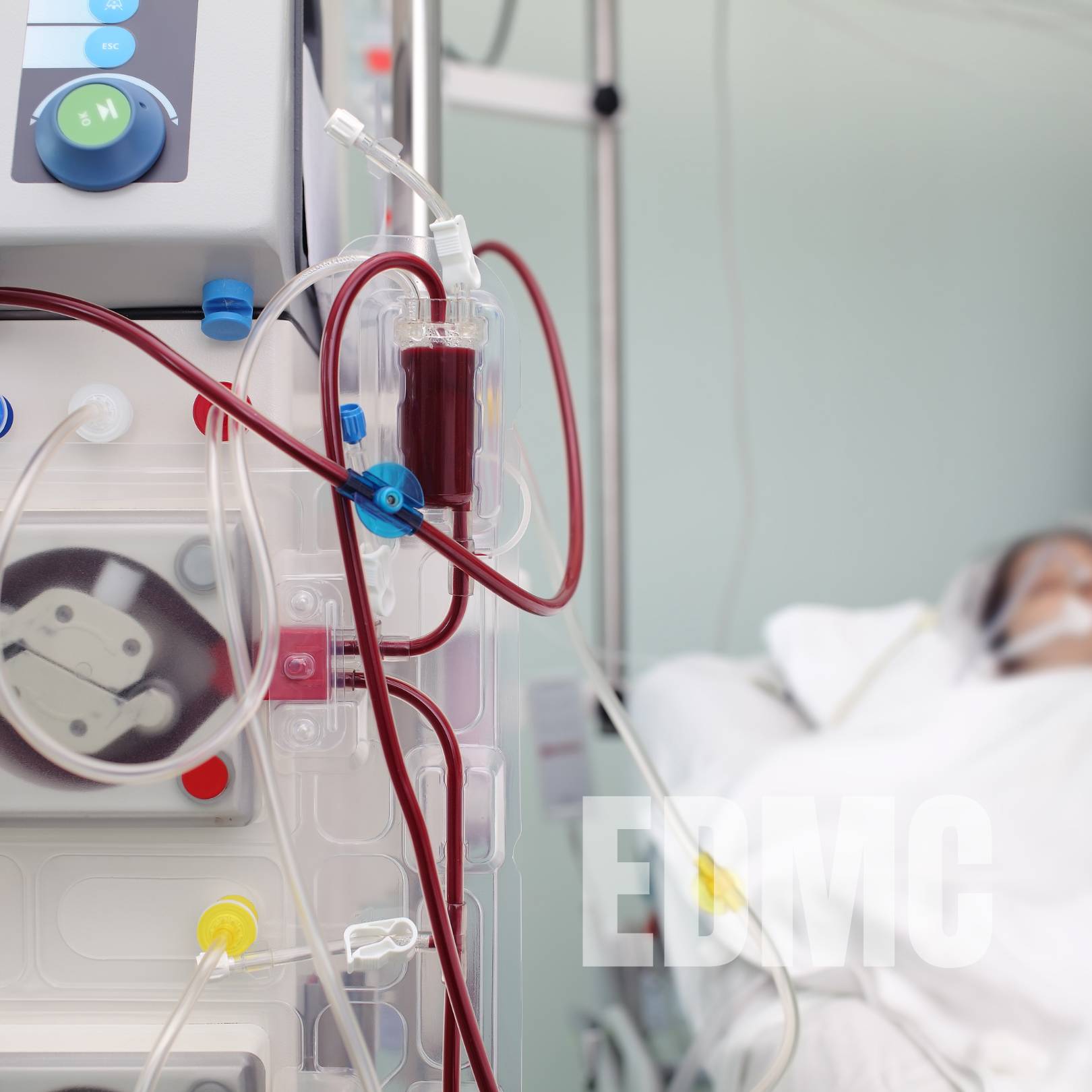
One of the Best Hospitals in East Delhi for Dialysis- Because Every Session Matters
Patients from across East Delhi trust us not just for dialysis — but for how we care through it. We combine advanced dialysis technology with close supervision to reduce complications and hospital visits. Our team focuses on your outcomes — stable health, better energy levels, and peace of mind for your family.
You don’t have to travel far for dependable dialysis care in Shahdara. EDMC provides a fully-equipped dialysis facility within the hospital campus — combining local convenience (Mansarovar Park, Dilshad Garden included) with patient-focused services, qualified staff and close monitoring. With us, you get treatment close to home, under one roof.
When do you need Dialysis?
What Are the Signs That You May Need Dialysis?
Kidney disease often develops gradually, and many people do not notice symptoms until kidney function has declined significantly. If your kidneys are no longer able to remove waste products and excess fluid from the body, your doctor may recommend dialysis. Common warning signs include persistent swelling in the legs or feet, extreme tiredness, nausea, loss of appetite, reduced urine output, muscle cramps, itching, or difficulty breathing due to fluid build-up. If you have been diagnosed with chronic kidney disease, regular follow-up and timely treatment can help determine the right time to begin dialysis.
Conditions That May Lead to Dialysis
Dialysis is not a disease itself. It is a treatment recommended when the kidneys can no longer perform their normal function. Your nephrologist may advise dialysis in conditions such as:
Chronic Kidney Disease (CKD)
End-Stage Kidney Disease (ESKD)
Acute Kidney Injury (AKI)
Long-standing diabetes affecting the kidneys
Uncontrolled high blood pressure causing kidney damage
Certain inherited kidney disorders
Severe electrolyte imbalance
Excess fluid build-up that does not improve with medication
The decision to start dialysis depends on your kidney function, symptoms, blood test results, and overall health rather than a single laboratory value.
Dialysis Centre Near Mansarovar Park, Shahdara
If you are looking for a dialysis centre near Mansarovar Park, regular treatment should be convenient, dependable, and supervised by an experienced medical team. Since dialysis is usually required multiple times a week, choosing a centre close to home can make ongoing treatment less stressful for both patients and their families. At East Delhi Medical Centre, we provide planned and emergency dialysis services for patients from Mansarovar Park, Shahdara, Dilshad Garden, Vivek Vihar, Seemapuri, and nearby areas of East Delhi, with a focus on safe treatment and personalised care.
How Often Is Dialysis Needed?
The frequency of dialysis is different for every patient. It depends on the stage of kidney disease, your overall health, blood test results, and the type of dialysis recommended by your nephrologist. While many people undergoing hemodialysis require treatment several times a week, the schedule is always planned according to individual medical needs.
Missing dialysis sessions or delaying treatment can lead to a build-up of waste products and excess fluid in the body. Following the schedule advised by your doctor is important to help control symptoms and maintain your overall health.
Your Dialysis Schedule May Depend On
The stage of kidney disease
Your blood test results
The amount of urine your kidneys still produce
Fluid retention and swelling
Potassium and other electrolyte levels
Your heart health and other medical conditions
Your doctor's clinical assessment
If your condition changes, your nephrologist may adjust the duration or frequency of your dialysis sessions to ensure you continue receiving the care your body needs.
Living Well While on Dialysis
Starting dialysis often brings many questions, but with the right medical care and lifestyle changes, many people continue to work, spend time with their families, and carry on with their daily routines. Following your prescribed medications, attending every dialysis session, staying physically active as advised, and keeping regular follow-up appointments all contribute to better long-term health.
Your nephrologist may also recommend changes to your diet and fluid intake based on your individual condition. Every patient is different, so your treatment plan should always be tailored to your medical needs rather than following a standard approach.
Hemodialysis Services Near Dilshad Garden
Patients searching for reliable hemodialysis services near Dilshad Garden require consistency, hygiene and medical oversight. We offer scheduled dialysis with advanced machines, real time vital monitoring and immediate physician support if needed. Each patient undergoes proper assessment of fluid balance, vascular access care and laboratory tracking to maintain stability between sessions.
Kidney Failure Treatment in Mansarovar Park
End stage kidney disease demands more than routine dialysis. For families in Mansarovar Park, we provide integrated kidney failure treatment that includes dialysis planning, dietary counselling, anemia management and coordination with specialists when required. The aim is to maintain quality of life, reduce hospital admissions and support patients through every stage of renal care.
Emergency Dialysis Support in East Delhi
Certain situations such as sudden fluid overload, uncontrolled potassium levels or acute kidney injury require urgent dialysis intervention. Our emergency dialysis support in East Delhi is designed to respond promptly with rapid assessment and immediate initiation of treatment. Continuous supervision and critical care backup ensure patient safety during high risk situations.
Why choose EDMC Hospital for Dialysis in Shahdara?
Expert Nephrologists You Can Trust
Led by experienced kidney specialist who ensure every session is safe & effective
Advanced Dialysis Machines
Modern, Top of the line high-efficiency systems
Hygienic and Comfortable
Infection-free procedures in a calm, comfortable environment.
Complete Care Under One Roof
From lab support to emergency backup, every facility you need during dialysis is available within East Delhi Medical Centre
Do I need Dialysis?
If your kidneys are unable to filter waste and excess fluid properly, dialysis takes over that job. It helps:
Remove toxins and maintain electrolyte balance
Manage swelling and breathlessness
Prevent buildup of harmful waste in the blood
Improve energy and appetite over time
Some more Dialysis Questions
How Does Hemodialysis Work?
Hemodialysis takes over some of the work that healthy kidneys normally perform. During treatment, blood is gently removed from your body through a dialysis access and passed through a special filter called a dialyzer. This filter removes waste products, excess fluid, and toxins that the kidneys can no longer clear effectively. The cleaned blood is then returned to your body.
Every dialysis session is carefully monitored by trained professionals. Your blood pressure, heart rate, and overall condition are checked throughout the procedure to ensure that treatment is both safe and effective. The treatment plan, including the duration and frequency of dialysis, is decided by your nephrologist based on your individual medical condition.
What Is a Dialyzer?
Many people refer to the dialysis machine as an "artificial kidney," but the actual filtering takes place inside a component called the dialyzer. It contains thousands of tiny hollow fibres that act like a natural filter. As blood passes through these fibres, waste products and excess fluid are removed while essential blood cells and proteins remain in the bloodstream.
The dialyzer plays a key role in maintaining the body's chemical balance. By helping regulate fluid levels and remove toxins, it supports many of the functions that healthy kidneys normally perform.
Understanding Dialysis Access
Before starting hemodialysis, your doctor will decide how blood will safely travel between your body and the dialysis machine. This is known as dialysis access. The right type of access depends on your overall health, the condition of your blood vessels, and whether dialysis is expected to be temporary or long term.
The most common types of dialysis access include:
AV Fistula: Created by joining an artery and a vein, it is usually the preferred long-term option because it provides good blood flow and has a lower risk of infection.
AV Graft: A soft synthetic tube connects an artery and a vein when a fistula cannot be created.
Dialysis Catheter: A temporary tube placed into a large vein when dialysis needs to begin immediately or while waiting for a fistula or graft to become ready.
Your nephrologist will recommend the most suitable option based on your medical needs.
What Happens During a Dialysis Session?
When you arrive for dialysis, your weight, blood pressure, and general health are checked before treatment begins. The dialysis machine is then connected through your dialysis access, and blood is filtered continuously during the session.
Most patients spend the treatment time reading, watching television, listening to music, or resting. Once the session is complete, your vital signs are checked again before you go home. Your healthcare team remains available throughout the treatment to answer questions and ensure you remain comfortable.
Eating Well During Dialysis
Diet is an important part of dialysis treatment. Since the kidneys are no longer able to regulate certain minerals and fluids effectively, your nephrologist or dietitian may recommend changes to your daily diet.
You may be advised to:
Limit salt to reduce fluid retention.
Control foods high in potassium when necessary.
Reduce excess phosphorus in the diet.
Follow the recommended daily fluid intake.
Include adequate protein as advised by your doctor or dietitian.
Diet recommendations vary from one patient to another, so it is always best to follow a personalised meal plan rather than general dietary advice.
Are There Any Side Effects of Dialysis?
Most patients tolerate dialysis well, but some people may experience temporary side effects during or after treatment. These usually improve with appropriate medical care or adjustments to the dialysis prescription.
Some commonly reported side effects include:
Low blood pressure
Muscle cramps
Tiredness after dialysis
Mild headache
Nausea
Itching
Temporary dizziness
If you experience severe pain, persistent vomiting, fever, chest pain, or unusual bleeding, you should inform your healthcare team immediately.
Can Kidney Function Recover After Dialysis?
One of the most common concerns patients have is whether dialysis will be permanent. The answer depends on the underlying cause of kidney failure.
If dialysis has been started because of an acute kidney injury, the kidneys may recover over time, and some patients are able to stop dialysis once kidney function improves. However, for people with advanced chronic kidney disease or end-stage kidney disease, dialysis is usually a long-term treatment unless a kidney transplant becomes an option.
Your nephrologist will regularly review your kidney function and explain the treatment plan based on your individual condition.
Usually 3–4 hours per session, depending on the patient’s condition.
Most patients need 2–3 sessions per week, as advised by the nephrologist.
No. Apart from a brief needle prick, patients usually experience no pain during the procedure.
Yes. With proper treatment, a balanced diet, and medical guidance, many patients lead active and fulfilling lives.
Book an Appointment now
24 x 7 Helpline | Walk in Diagnostics
Shahdara's Own Advanced Surgery Centre | Make an Appointment.