
Endoscopy Test near me
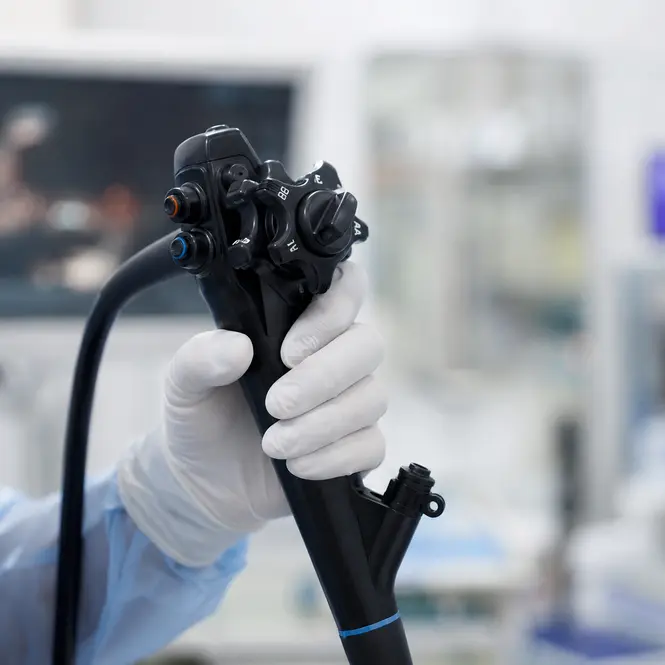
If you have been advised an endoscopy test, you may be experiencing symptoms such as persistent acidity, difficulty swallowing, stomach pain, unexplained vomiting, or gastrointestinal bleeding. An Upper GI Endoscopy, also known as a Gastroscopy, allows your doctor to examine the food pipe, stomach, and the first part of the small intestine using a thin, flexible camera. It helps identify the cause of your symptoms and, in many cases, enables early diagnosis before the condition becomes more serious.
At East Delhi Medical Centre, we perform diagnostic endoscopy using modern equipment in a safe and comfortable setting. The procedure is carried out by experienced specialists who focus on accurate diagnosis while keeping patients at ease throughout the examination. Whether your doctor has recommended an endoscopy to investigate ongoing digestive symptoms or to monitor an existing gastrointestinal condition, our team is committed to providing reliable care and timely reporting.
What Happens During an Endoscopy?
If you've never had an endoscopy test before, it's natural to feel a little anxious. Many patients wonder whether the procedure will be painful, how long it takes, or what they should expect on the day of the examination. In reality, an Upper GI Endoscopy is a short procedure that allows your gastroenterologist to examine the lining of your food pipe (oesophagus), stomach, and the first part of the small intestine using a thin, flexible tube with a tiny camera at its tip.
Before the procedure begins, you will be asked about your medical history, current medications, and any allergies. Since the stomach needs to be empty for clear visualisation, patients are usually advised to avoid eating or drinking for several hours before the test. Your healthcare team will explain the preparation instructions in advance and answer any questions you may have before the procedure starts.
During the Endoscopy Procedure
The examination is performed while you lie comfortably on your side. A local anaesthetic spray may be used to numb the throat, and in selected cases your doctor may advise medication to help you relax. The endoscope is then gently passed through the mouth into the upper digestive tract. It does not interfere with your breathing, and the procedure is carefully monitored throughout.
As the camera moves through the food pipe, stomach, and upper part of the intestine, your doctor examines the lining for inflammation, ulcers, bleeding, abnormal growths, narrowing, or other changes that could be responsible for your symptoms. High-definition images displayed on a monitor help guide the examination in real time.
The Procedure Is Often Completed Within Minutes
Most Upper GI Endoscopy procedures are completed within 15 to 30 minutes, although the exact duration depends on the reason for the examination and whether additional evaluation is required. If your doctor notices an area that needs closer assessment, a small tissue sample called a biopsy may be taken during the same procedure. This is a routine part of many endoscopies and does not usually cause pain.
After the examination, you will be observed for a short period before being allowed to go home. If sedative medication has been used, your doctor may advise you not to drive for the rest of the day and to have someone accompany you home.
An Endoscopy Can Help Diagnose
An endoscopy test may be recommended to investigate a wide range of digestive symptoms and conditions, including:
Persistent acidity or acid reflux (GERD)
Frequent heartburn
Stomach pain or upper abdominal pain
Gastric or duodenal ulcers
Difficulty swallowing
Persistent nausea or vomiting
Blood in vomit
Black or tarry stools
Unexplained weight loss
Long-standing indigestion
Gastritis
Oesophageal inflammation
The findings from your gastroscopy help your doctor understand the cause of your symptoms and decide whether medication, further investigations, or another treatment approach is required.
Planning an Endoscopy? Here's What You Should Know
If your doctor has advised an Upper GI Endoscopy, it's normal to have questions before booking the procedure. Patients often ask how long the test takes, whether it is painful, if a biopsy can be performed during the same examination, and how much recovery time is needed afterwards. Understanding these details can make the experience much less stressful.
A routine endoscopy test is usually completed within 10 to 20 minutes, although your total time at the hospital may be longer because of preparation and post-procedure observation. If your gastroenterologist notices an area that needs closer evaluation, an endoscopy with biopsy may be performed during the same procedure. A biopsy simply involves collecting a very small tissue sample for laboratory examination and is a routine part of many Upper GI Endoscopy procedures.
Questions Patients Commonly Ask Before an Endoscopy
Will the procedure be painful? Most patients experience only mild discomfort. Your doctor may use a throat spray or sedation to make the procedure more comfortable.
Can I go home the same day? Yes. Most patients return home after a short observation period. If sedation has been used, someone should accompany you home.
Will I receive the results immediately? Your doctor will usually discuss the initial findings after the procedure. If a biopsy has been taken, the laboratory report may take a few days.
Can an endoscopy detect acid reflux or stomach ulcers? Yes. An Upper GI Endoscopy is commonly recommended to evaluate persistent acidity, acid reflux (GERD), gastritis, stomach ulcers, swallowing difficulty, and unexplained upper abdominal pain.
How much does an endoscopy test cost? The endoscopy test cost depends on the type of procedure advised, whether sedation is required, and whether a biopsy is performed. Your healthcare team can explain the expected cost before the procedure.
Choosing the right centre is about more than the price of the test. Experience, accurate diagnosis, patient safety, and expert interpretation all play an important role. If you are looking for an endoscopy test in East Delhi, an endoscopy test near me, or an experienced gastroenterologist for endoscopy, it is worth choosing a centre where the procedure is performed by trained specialists using modern endoscopy equipment.
When Might Your Doctor Recommend an Endoscopy?
An Upper GI Endoscopy is not a treatment for a disease. It is a diagnostic procedure that helps your gastroenterologist identify the cause of ongoing digestive symptoms. If medicines have not relieved your symptoms, or if certain warning signs are present, an endoscopy test allows the doctor to examine the food pipe, stomach, and upper part of the small intestine in detail.
Persistent Acidity or Acid Reflux (GERD)
Occasional acidity after a heavy meal is common, but frequent heartburn or acid reflux should not be ignored. If you continue to experience burning in the chest, sour belching, or acid coming back into the mouth despite medication, your doctor may recommend an Upper GI Endoscopy to look for inflammation, ulcers, or damage caused by long-standing GERD.
Stomach Pain That Doesn't Improve
Persistent upper abdominal pain can have many causes, including gastritis, stomach ulcers, infections, or inflammation. When the pain continues despite treatment or keeps returning, an endoscopy test helps your doctor examine the stomach lining and identify the underlying problem instead of treating symptoms alone.
Gastric Ulcers and Duodenal Ulcers
Stomach ulcers may cause burning pain, bloating, nausea, loss of appetite, or, in some cases, bleeding. An Upper GI Endoscopy allows the doctor to locate an ulcer, assess its severity, and perform a biopsy if required. It is one of the most reliable investigations for diagnosing gastric and duodenal ulcers.
Difficulty Swallowing
Food getting stuck while swallowing, pain during swallowing, or the feeling that food is not passing normally should always be evaluated. These symptoms may occur because of inflammation, narrowing of the food pipe, or other conditions affecting the oesophagus. An endoscopy procedure helps your doctor examine the area directly and determine the cause.
Blood in Vomit or Black Stools
Vomiting blood or passing black, tarry stools may indicate bleeding somewhere in the upper digestive tract. This requires prompt medical attention. An endoscopy test can help identify the source of bleeding and guide further treatment.
Persistent Nausea, Vomiting or Indigestion
Repeated nausea, vomiting, early fullness after meals, or long-standing indigestion may require further evaluation, particularly when symptoms do not improve with medication. An Upper GI Endoscopy helps detect inflammation, ulcers, narrowing, and other abnormalities that may not be identified through symptoms alone.
Unexplained Weight Loss or Loss of Appetite
Losing weight without trying or experiencing a persistent loss of appetite should not be ignored. While there are many possible causes, your doctor may recommend an endoscopy with biopsy to rule out serious conditions affecting the stomach or food pipe and to reach an accurate diagnosis as early as possible.
Book an Appointment now
24 x 7 Helpline | Walk in Diagnostics
Shahdara's Own Advanced Surgery Centre | Make an Appointment.