
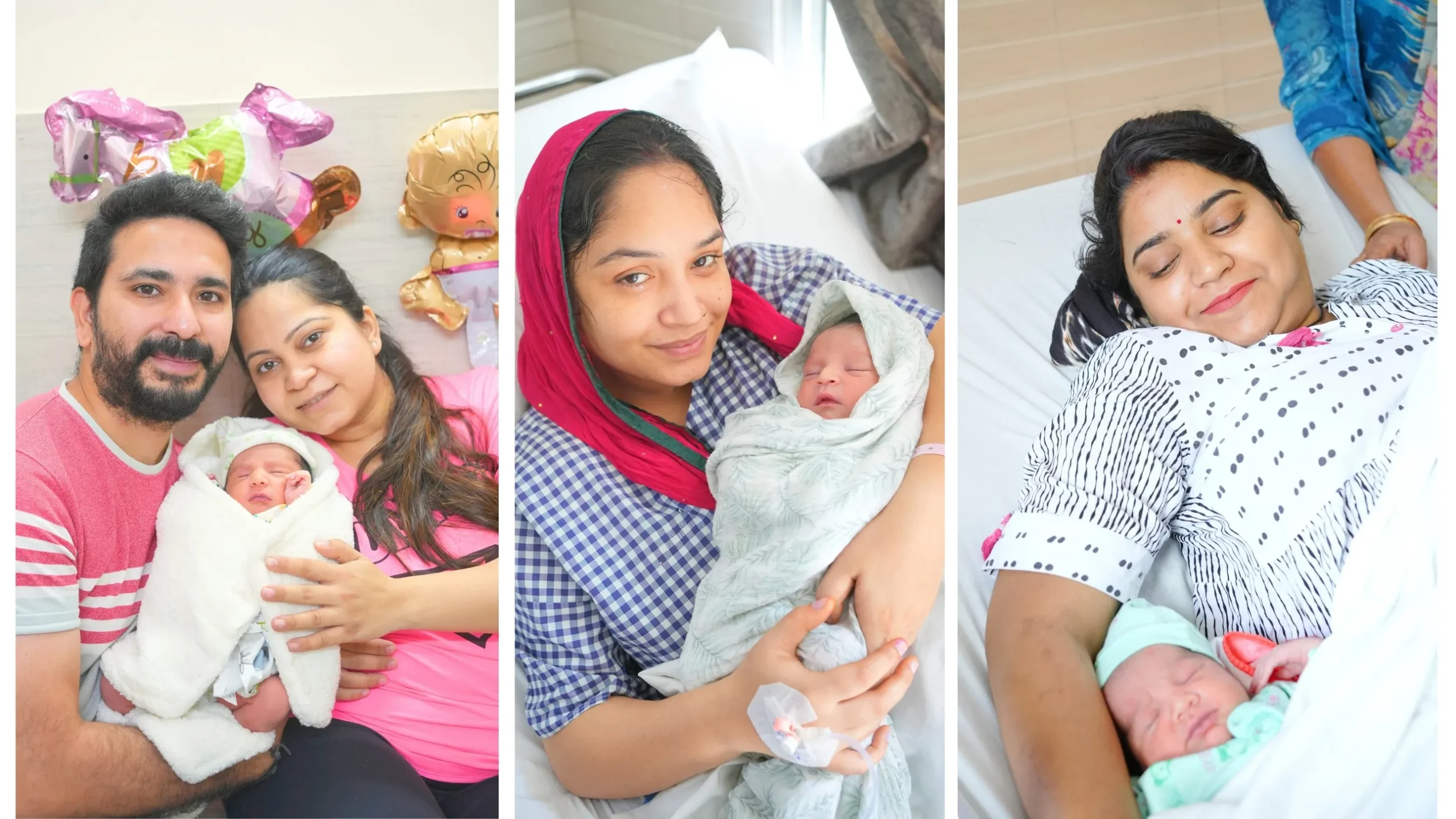

Obstetrics and Gynaecology Department
Shahdara's best maternity centre for complicated pregnancies
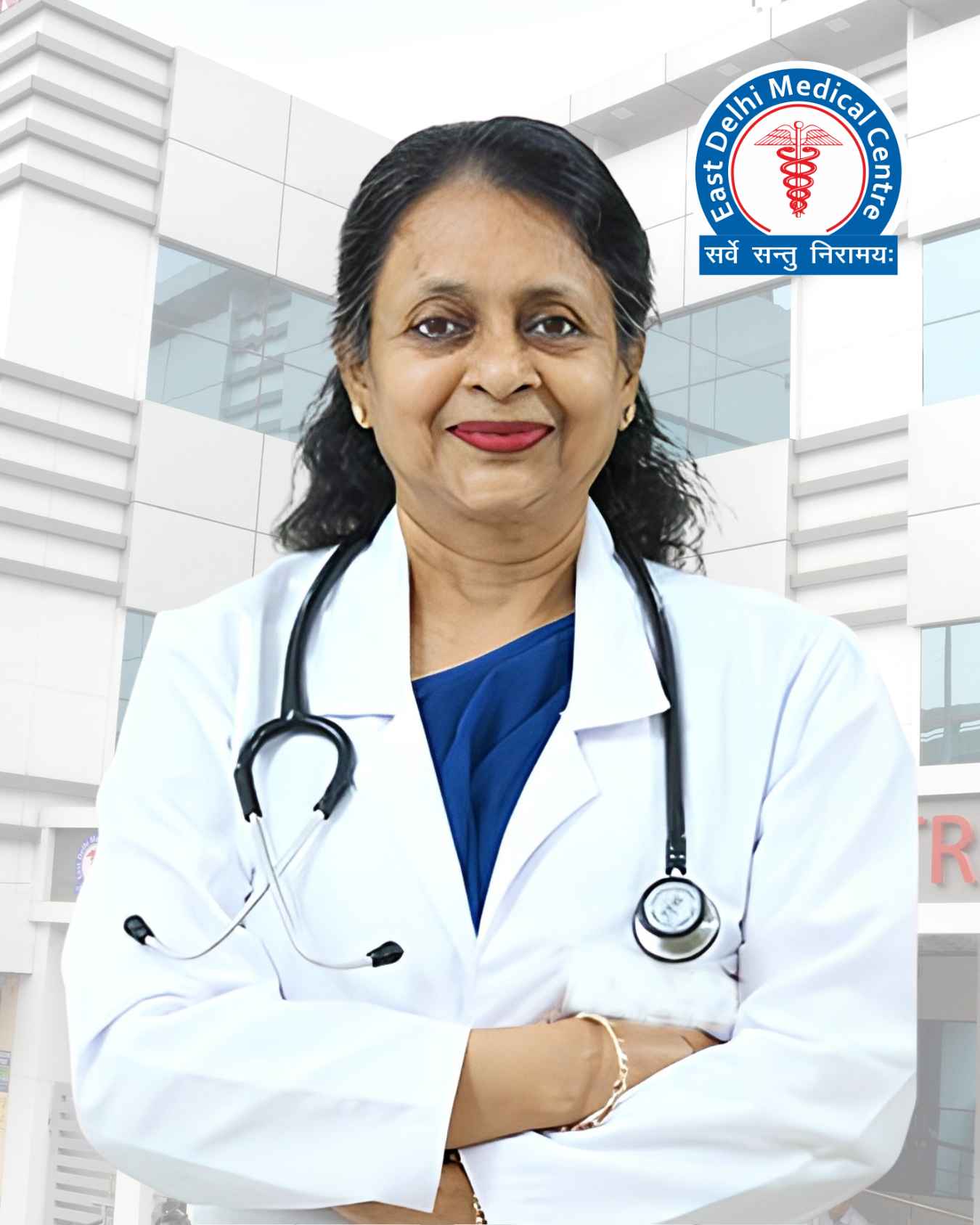
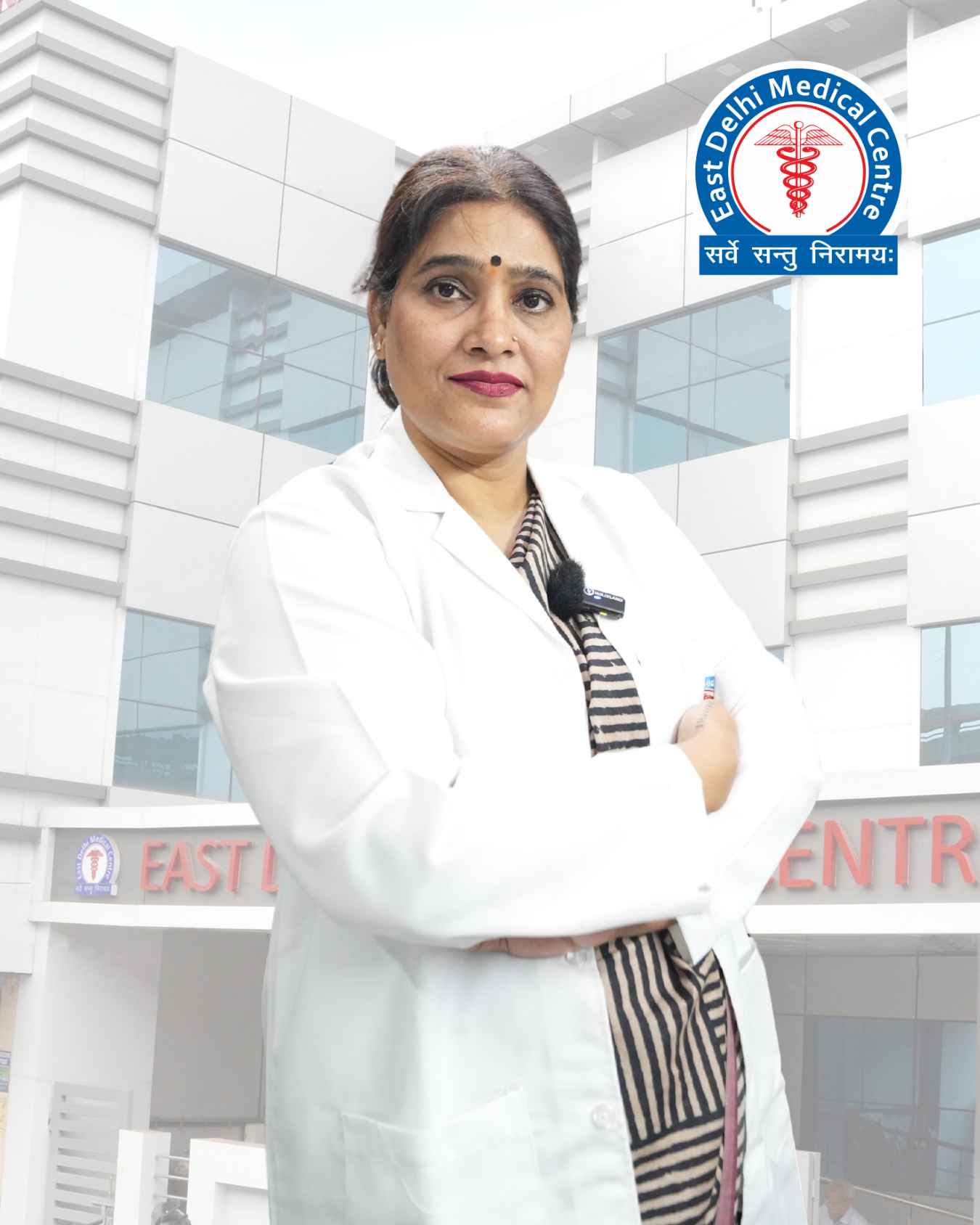
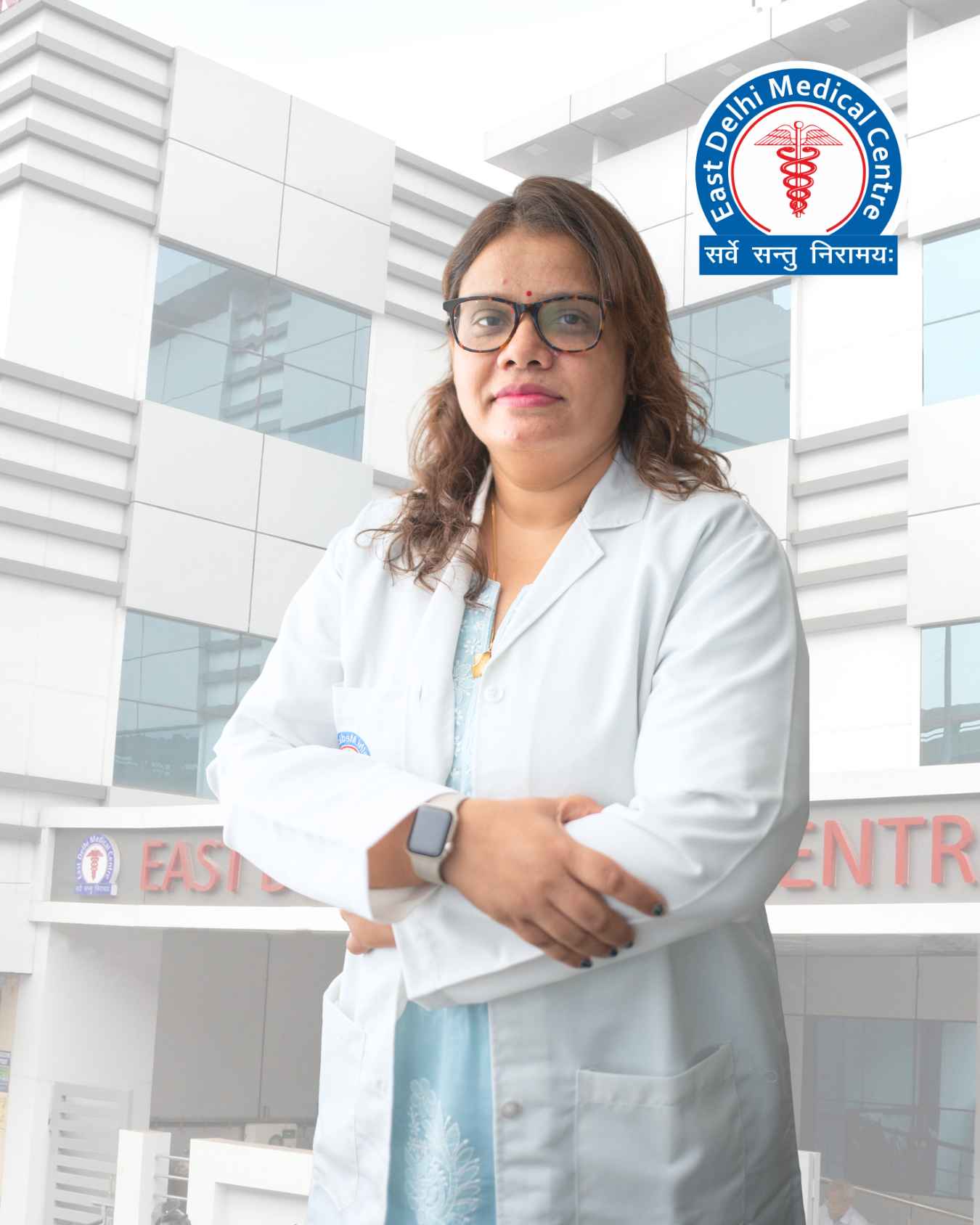
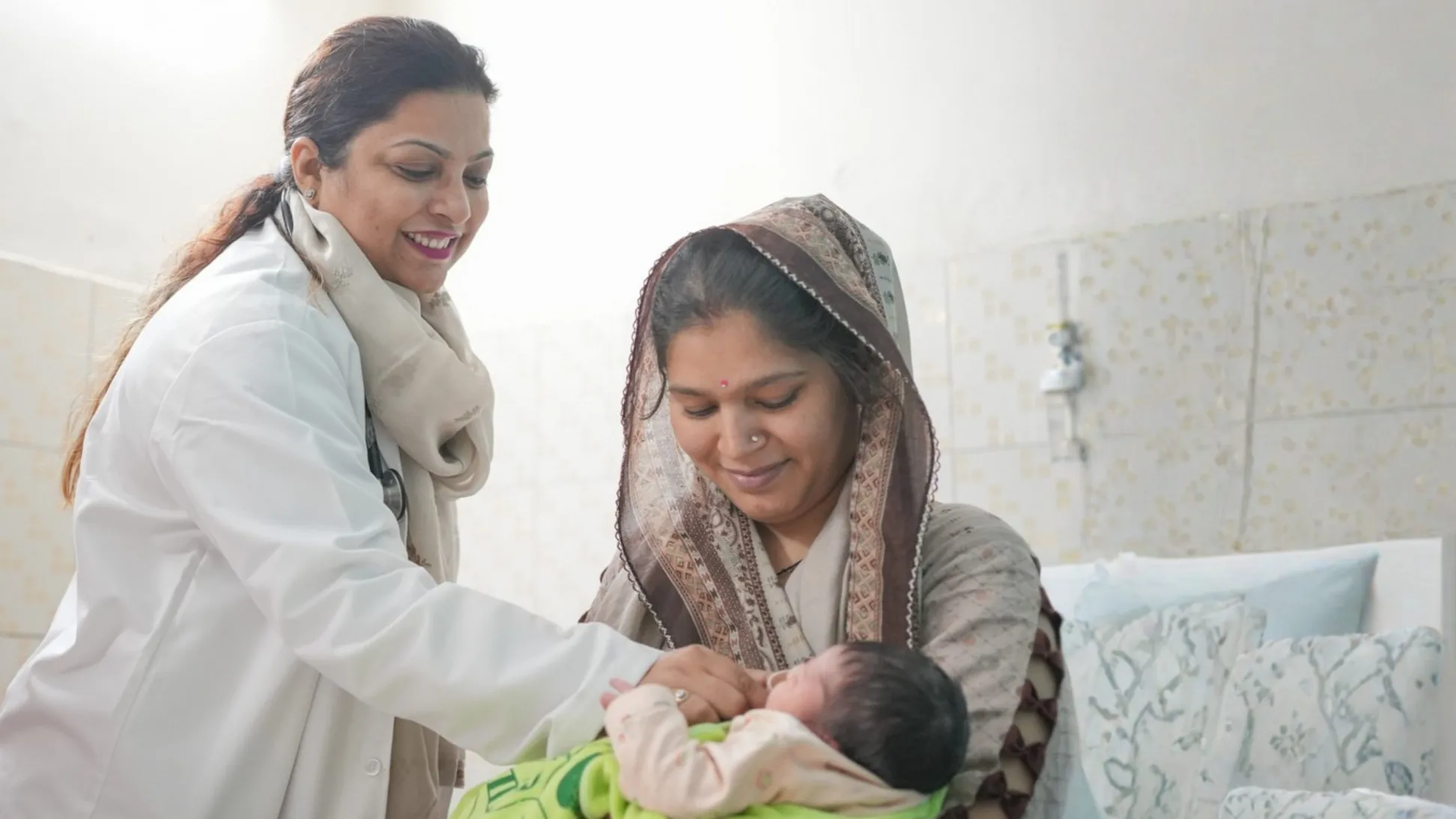
At East Delhi Medical Centre, Shahdara, women’s health has been at the heart of our mission for over three decades. Our team of four leading gynecologists brings together unmatched experience, compassion, and precision in handling every stage of a woman’s journey — from adolescence to motherhood and beyond. Whether it’s routine check-ups, fertility guidance, or the management of high-risk pregnancies, our specialists ensure every woman receives care that is safe, affordable, and deeply personal.
Families across Shahdara, Dilshad Garden, Mansarovar Park, and surrounding East Delhi neighborhoods trust us for our consistent outcomes, patient-first approach, and round-the-clock maternity support.
Why Choose Us?
At EDMC, we combine advanced medical expertise with a family-like environment, ensuring every woman feels supported and understood. Our approach focuses on clinical excellence, emotional comfort, and complete safety — all within accessible costs for the community we serve.
- Expertise in Complicated Pregnancies
- PCOS & Hormonal Disorder Care
24x7 Emergency & ICU Support
- Advanced Labor & Delivery Facilities
- Luxury Maternity Suite
- Affordable | Advanced
Complicated Pregnancies
For women dealing with high-risk or complicated pregnancies, EDMC has become one of the most dependable centers in East Delhi. Our obstetricians specialize in managing pregnancies complicated by hypertension, diabetes, thyroid disorders, multiple gestation, and previous C-sections.
With modern fetal monitoring systems, NICU backup, and an experienced anesthesia team, our focus is on ensuring safe outcomes for both mother and baby.
Our doctors’ expertise lies in recognizing subtle signs early — preventing emergencies and providing proactive care throughout your pregnancy journey.
Complicated or “high-risk” pregnancies require extra monitoring, earlier interventions and a multidisciplinary plan that protects both mother and baby. Below are the high-priority problems we see and manage routinely.
Preeclampsia is high blood pressure with signs of organ involvement (commonly the kidneys) that can develop after 20 weeks’ gestation. We monitor blood pressure, urine protein, fetal growth and signs of worsening disease; severe cases require timely delivery and hospital treatment (medicines, magnesium sulfate when indicated). Early screening and close surveillance reduce risks to mother and baby.
Gestational diabetes is glucose intolerance first detected in pregnancy. Management starts with dietary measures, regular glucose monitoring and exercise; when needed, medication (metformin or insulin) is used to protect fetal growth and reduce delivery complications. Timely screening and coordinated antenatal care matter for good outcomes.
When the placenta lies over or too close to the cervix (placenta previa) or implants abnormally into the uterine wall (accreta spectrum), there is a high risk of bleeding at delivery. Care focuses on accurate ultrasound diagnosis, planned timing/place of delivery and a multidisciplinary surgical plan (obstetricians, anaesthetists, neonatal team). Early identification and delivery planning reduce emergency interventions.
Labour before 37 completed weeks is a leading cause of newborn complications. Management may include measures to delay labour when safe, antenatal corticosteroids to mature baby’s lungs, and arrangements for neonatal support if early delivery is needed. Our team uses evidence-based protocols to balance maternal and fetal safety.
When a fetus is not growing as expected (growth restriction), we increase surveillance with serial ultrasounds and Doppler studies, look for maternal causes (hypertension, placental problems, infections), and plan delivery timing so the baby’s chance of healthy outcome is maximized.
Twin and triplet pregnancies require more frequent scans, growth checks and tailored delivery planning (timing differs by chorionicity). We offer focused counselling and coordinated antenatal follow-up to manage twin-specific risks such as twin-to-twin transfusion and preterm birth.
Lifestyle-related gynecological disorders
Lifestyle and metabolic health often affect reproductive health. These conditions respond best to a combined medical and lifestyle approach (nutrition, activity, metabolic control).
PCOS is a hormonal and metabolic condition causing irregular periods, acne, excess hair, ovulatory problems and long-term risks such as diabetes. Treatment prioritises weight-aware lifestyle changes, cycle regulation, metabolic screening and fertility planning when needed. We follow international PCOS guidance for personalised care.
Endometriosis causes pelvic pain and can affect fertility. Management ranges from pain control and hormonal therapy to laparoscopic surgery when indicated. Early recognition shortens the delay to effective treatment and referral for fertility support when required.
Fibroids may cause heavy bleeding, pelvic pressure or subfertility; options include medical therapy, minimally invasive (laparoscopic/myomectomy) procedures, and uterine-preserving techniques depending on symptoms and reproductive plans. Treatment is personalised to keep recovery short and outcomes good.
Excessive or prolonged bleeding is common and has many causes (hormonal imbalance, fibroids, polyps, bleeding disorders). We investigate with ultrasound and appropriate blood tests and offer medical, device (IUD) or procedural options based on your priorities. Guideline-based care aims to stop bleeding, correct anaemia and restore quality of life.
Obesity and metabolic syndrome worsen menstrual irregularity, PCOS symptoms and pregnancy risk (GDM, hypertension). Our approach integrates dietetics, exercise plans and medical management so women get pregnancy-ready and reduce long-term health risks.
Twin and triplet pregnancies require more frequent scans, growth checks and tailored delivery planning (timing differs by chorionicity). We offer focused counselling and coordinated antenatal follow-up to manage twin-specific risks such as twin-to-twin transfusion and preterm birth.
Infections, emergencies & acute gynecological problems
Quick diagnosis and early treatment reduce complications for infections and surgical emergencies.
PID is usually an ascending infection (often sexually transmitted) that can damage fallopian tubes and affect fertility if not treated early. Management is antibiotic therapy, partner treatment when needed, and follow-up to check recovery
An ectopic pregnancy implants outside the womb and can be life-threatening if it ruptures. Diagnosis uses transvaginal ultrasound and serial β-hCG tests; treatment ranges from careful observation or medical therapy (methotrexate) to urgent surgery in unstable cases. Rapid assessment is essential.
When the ovary twists, blood flow is compromised and urgent laparoscopy is required to untwist and preserve function. Clinical suspicion and fast surgical review protect future fertility.
Severe bleeding after birth is an emergency. Prevention (active management of the third stage), early recognition and a coordinated “PPH bundle” — medicines, uterine massage, blood replacement and surgical steps — are standard practice to control bleeding and protect mothers.
Obesity and metabolic syndrome worsen menstrual irregularity, PCOS symptoms and pregnancy risk (GDM, hypertension). Our approach integrates dietetics, exercise plans and medical management so women get pregnancy-ready and reduce long-term health risks.
Twin and triplet pregnancies require more frequent scans, growth checks and tailored delivery planning (timing differs by chorionicity). We offer focused counselling and coordinated antenatal follow-up to manage twin-specific risks such as twin-to-twin transfusion and preterm birth.
Reproductive, menstrual & pelvic-floor disorders
These affect daily life, relationships and future planning; most are treatable with modern options.
Infertility is defined after 12 months of trying (or earlier in certain cases). Evaluation addresses both partners and may include ovulation assessment, semen analysis, tubal testing and early referral for assisted reproduction (IUI/IVF) when indicated. Timely evaluation improves chances of success.
Pelvic-floor problems range from mild symptoms managed with pelvic floor training to surgical reconstruction in selected cases. Treatments are chosen to match symptoms, lifestyle and safety, following modern recommendations about mesh and surgical choice.
Menopause care includes symptom relief (HRT when appropriate), bone and cardiovascular risk assessment, and tailored lifestyle and medical plans so women can manage mid-life changes safely. Shared decision-making is central.